
How to Properly Conduct a Hazard Assessment in the Development of an Area Specific Safety Plan
This Training for Research Faculty utilized the expertise of the following 4 panel members that have assessed the hazards in their respective “Research Labs”:
- Robert Alumbaugh –Chemistry & Biochemistry: Undergraduate teaching labs
- Susannah French –Biology: Research laboratories & field research
- Gary Stewardson –ASTE: Farms, shops, tools & heavy equipment
- Brian Gowen – ADVS: Animals & Biohazards in research laboratories.

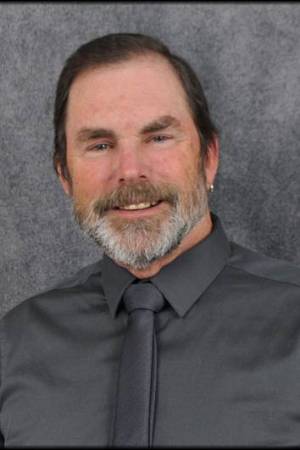 Robert Alumbaugh – Chemistry & Biochemistry, has been a recent addition to USU taking over the undergraduate general chemistry teaching laboratories with almost 800 students in the Chemistry and Biochemistry department. He comes to USU from the Pharmacology & Toxicology department at the University of Otago, in New Zealand. While Rob is an Analytical chemist his true focus is on chemistry education. Rob’s approach to safety is through example, you will never find him in a lab without a lab coat and eye protection. No one in Rob’s lab can claim that they didn’t know what PPE is required because he is always watching and telling them explicitly what they need to be wearing.
 Susannah French – Biology, has been at USU for 10 years studying how organisms regulate and maintain key life-history processes. Her current research involves the impact of human disturbances on natural physiological processes. This work takes her out into the field to collect samples and make observations while simultaneously managing an extensive laboratory here in the Biology Department. Susannah was one of the first researchers in the biology department to formulate a written safety protocol for field activities that has subsequently been used as a template across the department. Additionally, her 63 page Chemical Hygiene Plan covers a hazard assessment and safety protocol for every activity occurring in a laboratory consisting of two room, 5 undergrads, 5 graduate students, and other assorted collaborators.
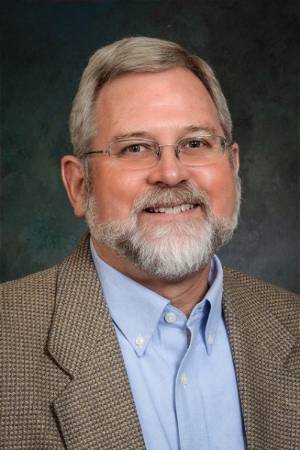 Gary Stewardson - ASTE,
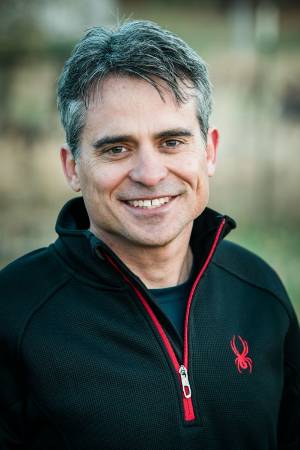 Brian Gowen – Animal Dairy and Veterinary Science, has been with USU for almost 16 years and was named College of Agriculture Research of the Year in 2010. He specializes in antiviral therapies for the treatment of hemorrhagic fever agents, viral infections, modeling viral diseases, and virus-host cell interactions. Thus, he works with some of the nastiest little bugs around. This work requires a heightened level of awareness and respect for the associated hazards. Add into that, working with unpredictable animals and you have a lab well versed in identifying and dealing with hazards. Brian has been a member of the Biohazards committee here at USU for 12 years, and the chair for the past 2. In this position he has been able to share his expertise outside of the Institute for Antiviral Research to the entire campus.
"“ A research lab is ANYWHERE that research occurs."
Notes From the Event:
Labs are commonly found where research occurs, but a laboratory can be anywhere; addressing an infinite variety of activities each with their own set of hazards.
Most of us, if asked, would say that our laboratories are VERY safe. Much safer say than working in a mine or building a sky scrapper. While this is true, that does not mean that accidents never happen in laboratories. Over the past 20 years 27 people have died in the US in University Laboratory accidents (that is 1.3 deaths on average per year). Also in an average year, in US university laboratories there are almost 5,000 Emergency Room visits.
Just here at USU in 2018, there were 19 ER visits from laboratory accidents. Because you cannot avoid a snake you don’t see (and that was one of our ER visits), we are asking everyone that does research to conduct Hazard Assessments of the activities occurring in your laboratories. We can reduce the number of accidents occurring with this one single activity. So, what is a hazard recognition or Hazard Assessment? Here are 4 steps to take when developing your own safety plan:
- What do you do
- How can it hurt you
- Develop a plan to stay safe
- Let everyone know the plan

Question & Answer Session:
- What are your overall thoughts about safety in a laboratory?
- When issues arise, I immediately take it to be reviewed by the principle investigators. I discuss the issues with tech staff as well. It is very important that they stay up to date and informed on what is happening in the lab!
- Having no safety plans is like climbing a rock wall with no ropes… it’s just stupid.
- Learning from other peoples experiences is a very good tool to use when creating your own safety plan.
- Re-evaluate the simple procedures in your “lab.” Going over the little things will help eliminate the potential for simple but potentially serious accidents from happening.
- “Retrieving the data is not as important as their safety”
- Know the closest medical facility to your location in case of an emergency.
- Ponder the question “Are accidents foreseeable?” Think outside the box when deciding what safety measures to enact.
- Have students report ALL near misses. A near miss means there is potential for a greater problem.
- How do you handle near misses?
- Make sure that your office and lab has a feeling and culture of openness. If students are afraid to report near misses to you because they are scared of how you will react, that is not a safe environment for anyone to be in.
- Encourage, don’t discourage, learning. Mistakes are how we learn, so turn these experiences into growth opportunities.
- Have frequent meetings where these types of things can be openly brought up and discussed.
- Make sure those working in your labs are having occasional safety refreshers and reminders.
- Make a written note about the incident. Having this information on file will benefit you greatly in the future.
- Be sure to offer the proper training for everyone involved in your lab.
- We are busy employees. How can we make safely plan creating and maintenance less stressful and time consuming?
- Contact the EHS office. They have available resources and individuals that are ready and willing to help relieve this burden from your shoulders.
- Involve your students in the planning and maintaining. It is a good part of their training to keep them busy creating a safe area to work in.
- Should I separate my hazard assessment form my protocols?
- It would be advisable to separate them. Students don’t want to read a 4 page paper about safety. Making it something short and easy to comprehend gives a great chance of retainment for those reading them.
- What if someone wants to come into the lab to use equipment that they may not have in their own research area?
- Check that they have the proper training to be in your lab and working with that equipment. You could also do some training with them yourself to ensure their upmost safety and knowledge.
- Always have some extra PPE ready if someone wants/needs to enter your lab.
- Consider having someone escort them around to observe and keep everything safe.
- What if someone wants to come into the lab to use equipment that they may not have in their own research area?
- Check that they have the proper training to be in your lab and working with that equipment. You could also do some training with them yourself to ensure their upmost safety and knowledge.
- Always have some extra PPE ready if someone wants/needs to enter your lab.
- Consider having someone escort them around to observe and keep everything safe.
- What can be done about individuals (especially facilities) walking into lab areas and not abiding by safety policies?
- Decide how much time you as well as other people are spending in lab. You may not be there most of the time, but students and other staff may be. Instruct them on what to do if a visitor comes into the lab.
- Discuss the issue with your dean and other institutional representatives to have them assist in setting hard rules in regards to lab safety.
- It may take some patience, but keep being persistent and your efforts will show.
What Faculty Members Thought of TRF:
"It was good to hear about how other people not in my area deal with safety issues."
"Very good! I’m glad to see that I’m not the only one whose time in lab has decreased with years at USU. It is so difficult to be everywhere. Thanks!"