October 14, 2026 | 6:00 PM | Logan Library
Salem Witches & Dark Tourism
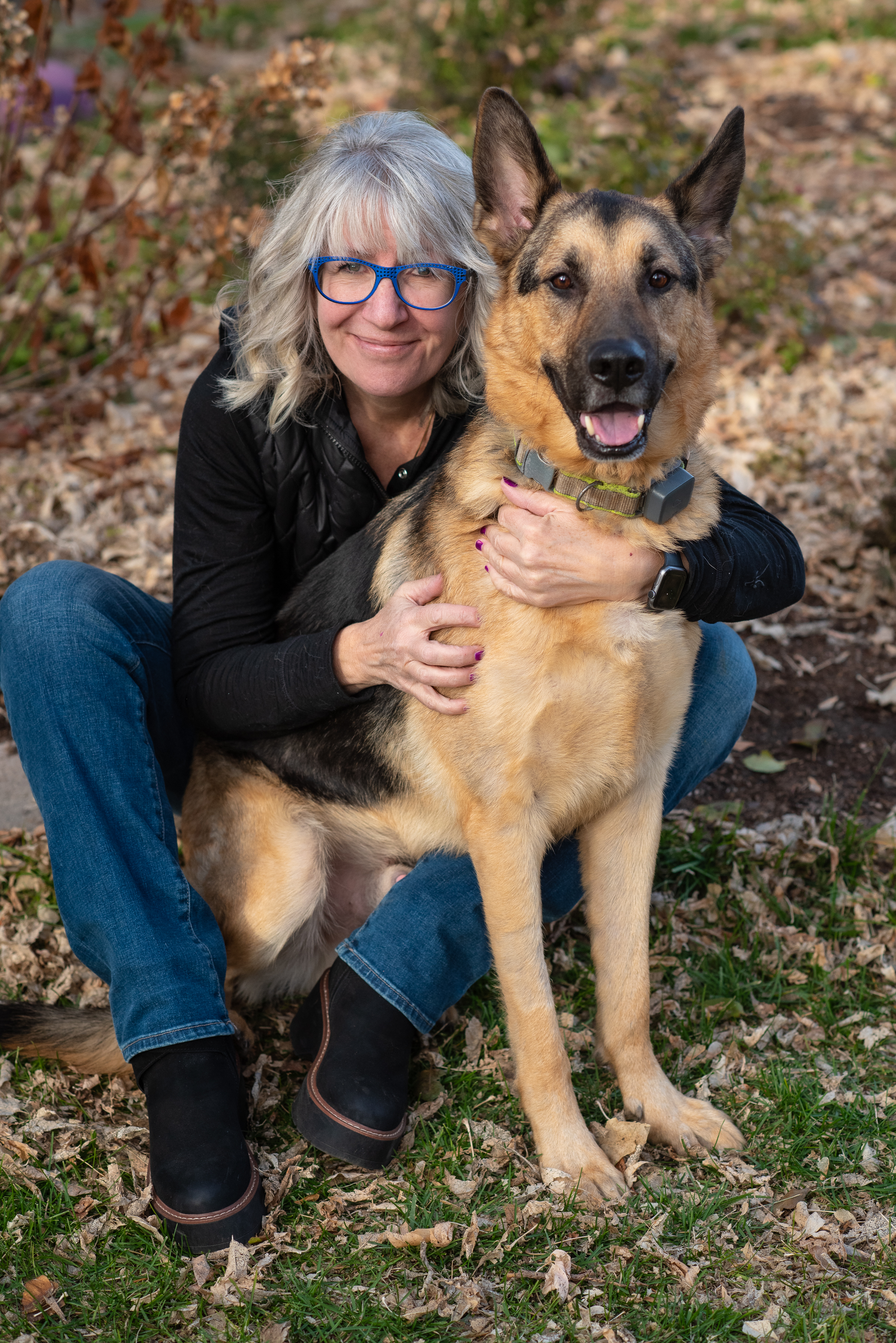
The Salem witch trials are among the most recognizable events in colonial American history, but their legacy extends far beyond the tragedy of 1692. The next Aggie Talks presentation, titled “Salem Witches & Dark Tourism,” features Dr. Jeannie Thomas, a folklorist at Utah State University. She will explore how the stories surrounding the witch trials continue to shape life in modern-day Salem, Massachusetts, where history, tourism, and popular culture intersect and sometimes collide.
As Salem has become a destination for “dark tourism” due to its history and reputation for witchcraft and the supernatural, the city has found itself navigating difficult questions about how to honor a tragic past while embracing an identity that attracts millions of people each year.
During the presentation, Dr. Thomas will draw on conversations she has had with Salem residents to uncover how people living there experience this cultural struggle. While many people recognize Salem's connection to witches, few know the details of the historical events themselves. Over time, the stories and symbolism associated with the witch trials have grown larger than the history, taking on a life of their own and influencing how outsiders understand the city. Dr. Thomas describes powerful stories like these as "invasive narratives" because they spread beyond their original context and can fundamentally reshape the places and communities they touch.
Today, that narrative is woven into nearly every aspect of Salem's public identity. References to witches are common, from school mascots and business names to public art and street signs. However, the visibility of these symbols can sometimes overshadow the real people and tragedies at the heart of the history.
By examining the tension between popular culture and historical events, this presentation offers a fascinating look at how folklore is created, circulated, and embedded in everyday life. It shows the power of stories to define places, shape identities, and influence how communities understand both their past and their future.