
The Environmental Health and Safety Office is here to assist faculty, staff and students maintain a safe place to work and study. We are a service organization that provides expertise and advice for compliance with federal, state and local safety and health regulations as well as current professional practices and guidelines. Our goal is to prevent injury, illnesses and environmental damage through the recognition, evaluation and control of potential hazards arising from university activities.
Safety Concerns & Accident Reporting
Training Courses
Unwanted Materials Pickup
Purchasing Hazardous Materials
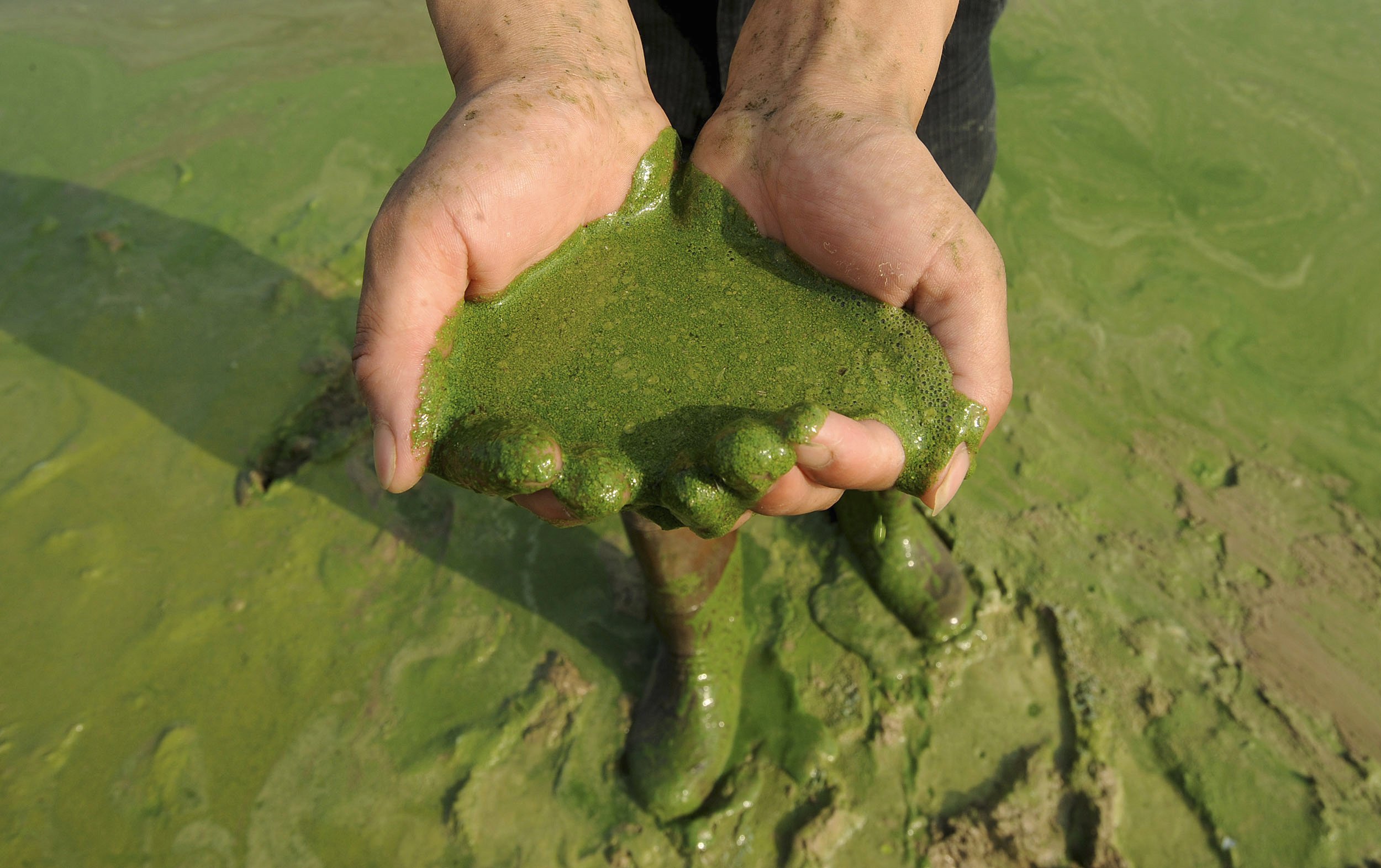
What's in the Water? (Warm-Weather Risk)
As temperatures rise, Utah waters may experience harmful algal blooms that can produce microcystin, a toxin from blue-green algae. Exposure can cause illness in people and serious or fatal liver damage in livestock and pets if contaminated water is swallowed. Blooms are more likely in warm, shallow, nutrient-rich water and may appear as green paint, pea soup, or surface scum. Do not allow people or animals to drink from or enter water with visible algae, and follow posted health advisories. Increased awareness and early avoidance are key to preventing exposure during summer field, research, and recreational activities.
West Nile Virus Safety Alert
West Nile Virus (WNV) is the leading cause of mosquito-borne disease in the continental United States. Since its introduction in 1999, WNV has caused over 31,800 cases of neurologic illness and 2,900 deaths nationwide.
West Nile virus is most commonly spread to people through the bite of an infected mosquito. People get infected with the virus during mosquito season, which starts in the summer and continues through fall (typically June through October). The number of people diagnosed with West Nile typically peaks in late August to early September. Mosquitoes carrying WNV have been found at testing sites throughout Cache County. Currently there have been two positive infections in Cache County.
There is no vaccine or medicine available for WNV. The best form of protection is prevention using insect repellents, such as DEET, staying indoors when possible/not going outside between dusk and dawn, or anything that reduces your chance of being bit by mosquitoes.
For more information, contact USU EH&S or click on the following link for information from the CDC.
